Emergency Roofing in Dorset
Urgent issue? 24/7 callouts for leaks & storm damage.
Urgent issue? 24/7 callouts for leaks & storm damage.

Choosing a roofer in Weymouth involves more than finding someone who can replace a tile. Coastal wind, salt-laden air and driving rain expose weak joints quickly. A repair that looks sound in dry weather may fail during the next storm if the original cause was missed.
Reliable roofers in Weymouth should inspect coverings, flashing, drainage and ventilation together. Treating only the visible defect often leads to repeat work.
Most homeowners want a clear diagnosis, fair pricing and tidy work. They also want confidence that the leak will not return a month later.
A professional roofing company should show where the problem began and explain the proposed work. Photographs help when faults involve valleys, worn underlay or lead work around a chimney. A written scope then gives the customer something practical to compare.
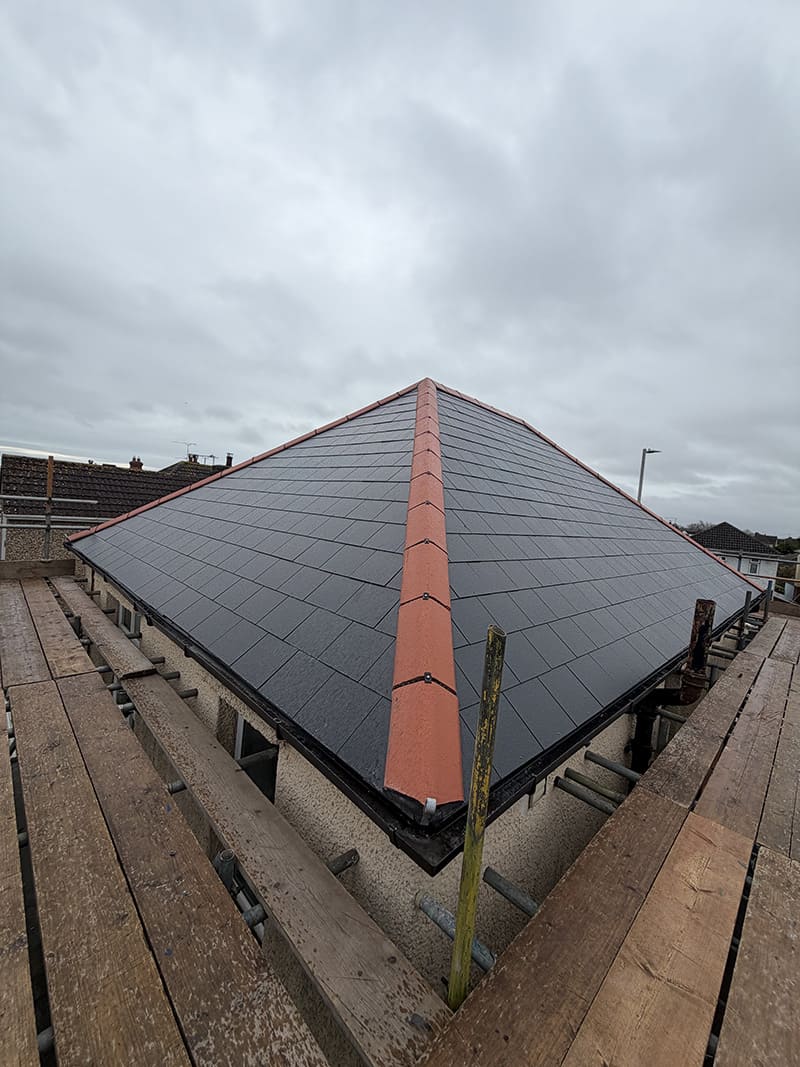
Weymouth includes period terraces, exposed seaside homes, modern estates and commercial premises. Pitched roofs may develop loose coverings or failed junctions. A flat roof is more vulnerable around outlets, seams and perimeter trims.
Suitable roofing services may include:
Leak diagnosis and repairs to damaged coverings
Chimney repairs where pointing, flaunching or flashing has failed
Fascias, soffits and guttering when roof-edge decay affects drainage
Roof windows, skylight work and roof lights installation
Industrial roofing maintenance for larger properties
Older tiled roofs often benefit from careful slating and tiling rather than unnecessary replacement. A slate roof may remain serviceable when isolated failures are repaired with compatible materials.
A leaking roof needs prompt attention because moisture can enter insulation, ceilings and electrical areas. First limit water damage, then identify the entry point before permanent work starts.
Emergency roof repair in Weymouth may require temporary covering when conditions make full work unsafe. Once the weather settles, the roofer should examine nearby tiles, joints, guttering and internal staining. Storm damage is rarely limited to the defect visible from the ground.
Flat roof repairs should include checks around outlets, upstands and seams. Repeated patching may indicate poor falls, failed decking or damaged waterproofing beneath the surface.
No roof lasts indefinitely, but careful installation can extend its useful life. Roof replacement becomes reasonable when leaks occur in several areas, underlay has deteriorated or previous patches have created multiple weak points.
A complete re-roof allows the contractor to inspect the deck, improve ventilation and correct bad junctions. For pitched roofing, the specification should identify the membrane, battens, fixings, tiles or natural slate, ridge treatment and leadwork.
A new roof installation should account for access and finishing details. Check whether the estimate includes:
Scaffolding, property protection and waste removal
Repairs to timber found damaged during stripping
Flashing around chimneys, walls and roof openings
Replacement roofline components where necessary
Separate labour and material warranties
The same discipline matters on a new build, where later trades can damage completed roofing if responsibilities are unclear.
Roof inspections are useful before winter, after severe weather and when buying an older property. They can reveal loose coverings, blocked drainage and open joints before moisture reaches the rooms below.
Maintenance should match the defect. Heavy moss may slow drainage, yet aggressive removal can damage older surfaces. A small crack beside flashing may be simple to repair now and costly after another wet season.
Industrial roofing needs planned checks because large areas, plant penetrations and restricted access create different risks.
Weymouth roofing contractors who also work in Portland and Dorchester understand coastal exposure, common property styles and local access problems. Being nearby also helps when a detail needs checking after heavy rain.
NFRC or CORC membership can provide another reference point, but it does not replace recent work, clear terms, suitable insurance and direct communication.
Ask for evidence of public liability insurance before work begins. Cover should suit high-level residential work and access equipment near vehicles, shared paths or neighbouring property.
Competent roofing experts should also explain how they protect exposed sections during sudden weather changes. Insurance covers defined risks; disciplined working reduces the chance of those risks occurring.
If you are looking for trusted roofing contractors for a new roof installation in Dorset, contact Trueline Roofing Ltd today.
Our friendly team is happy to arrange a free site survey, discuss your roofing requirements and provide a no-obligation quotation for your project.
© Trueline Roofing Ltd 2026. All rights reserved.